

From idea to launch: how a website project works
A transparent look at research, design, development, testing and support — and why each step exists.
Customers search online before they walk in. Here is what a well-built website actually does for a local business — and what to look for when you get one made.
2 minute read
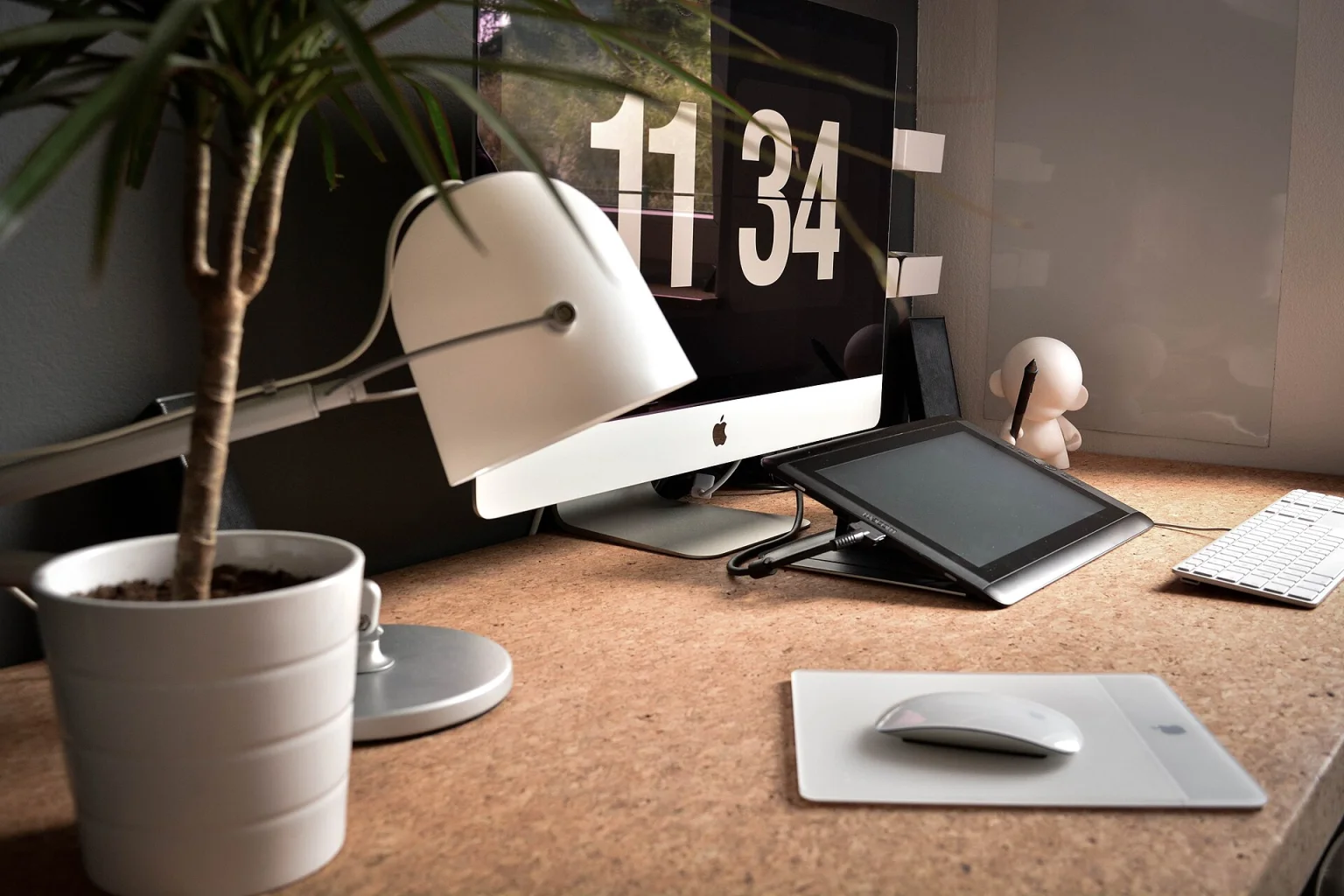
Ask yourself how you found the last shop, clinic or service you used. For most of us the answer starts with a phone and a search box. A website is no longer a nice extra for a business in Nepal — it is the place where customers decide whether to trust you.
Facebook and Instagram pages are useful, but you rent that space. Reach changes, layouts change, accounts get locked. A website is the one address you own, and it works for you around the clock.
Credibility: a proper domain and email address ([email protected]) look far more trustworthy than a free address.
Discoverability: Google can only send customers to pages that exist. A page for each service is a door for each kind of customer.
Answers at 2 a.m.: opening hours, location, prices, catalogue and FAQs are always available, so your phone rings with serious enquiries instead of repeat questions.
Control: your story, your photos, your offers — no algorithm deciding who sees them.
A clear first screen: what you do, where, and one obvious action (call, WhatsApp, order or visit).
Mobile-first design — most visitors in Nepal arrive on a phone, often on a mobile data connection.
Real photos, real contact details and a map, so people know you are a genuine local business.
Fast loading: a slow site loses visitors before they read a word.
Basic search optimisation, so Google understands what each page is about.
You should. Make sure the domain is registered in your name and that you receive the files and logins when the project is complete.
Ask to see other sites they have built opened on a phone, not just a desktop screenshot.
Websites need hosting, security updates and small edits. Agree on support and costs up front so there are no surprises.
Start small: a clear five-page site that loads fast and is easy to update beats a huge site that never gets finished. You can always grow it as your business grows.
Get the next one in your inbox — join 0 readers.
A transparent look at research, design, development, testing and support — and why each step exists.
You do not need to be everywhere. Pick one or two platforms, plan a few content themes and show up regularly — a practical starting plan.
You do not need a dashboard full of charts. Track a handful of numbers that tell you whether your website and marketing are working.

Comments
No comments yet — start the conversation.